Dealing with Heat Stability in Long Tunnel Ovens
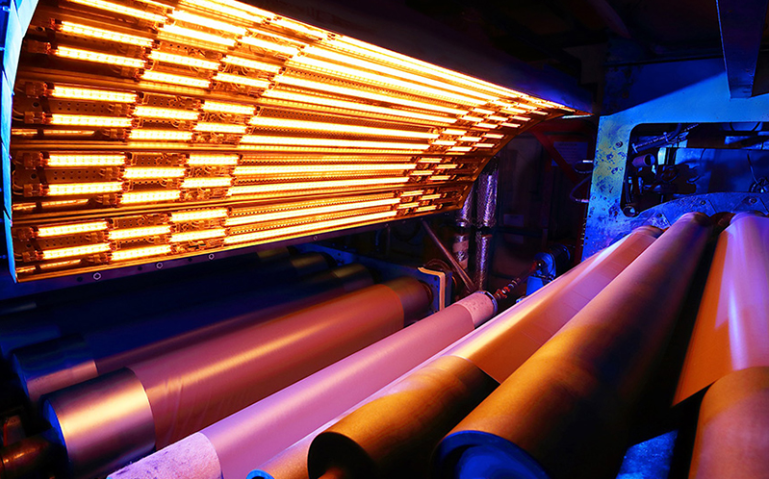
If you’ve ever managed a long curing tunnel, you know the struggle. Trying to keep the temperature steady from one end to the other is a total nightmare. When you’re picking out lamps for Adelco lines, you can’t just grab any random IR tube off the shelf. If you do, you’re asking for trouble—either you’ll end up with cold spots that ruin the finish, or you’ll accidentally scorch the edges of your parts. You need something that actually knows how to bridge that gap between the lamp and the part.
The trick to long-distance curing
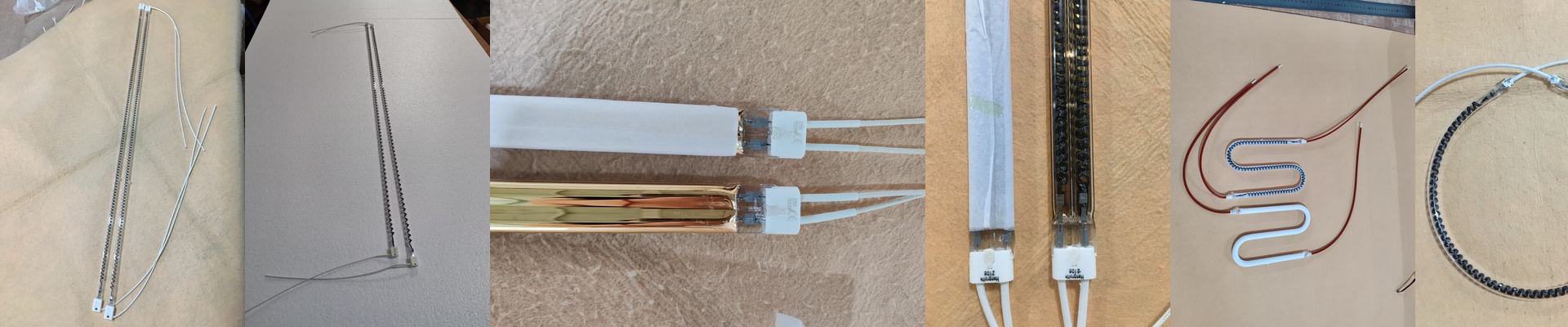
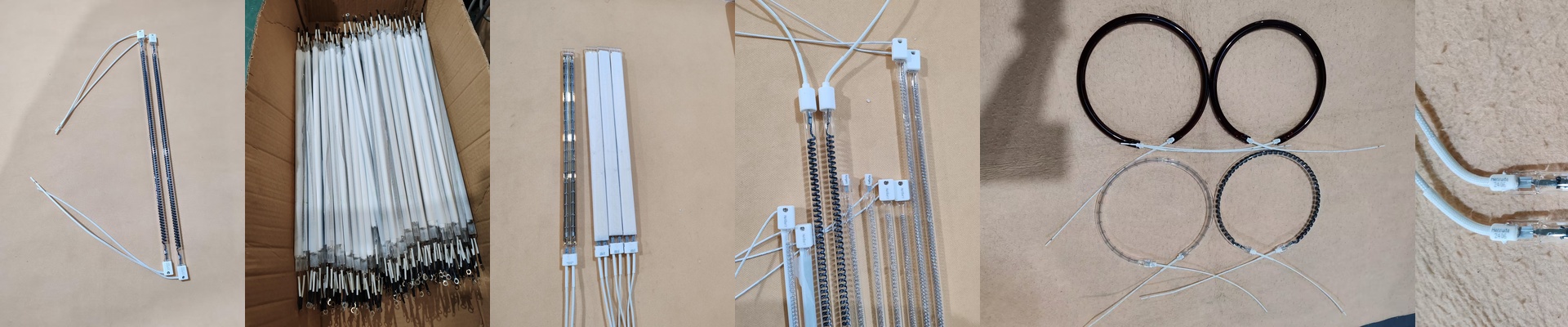
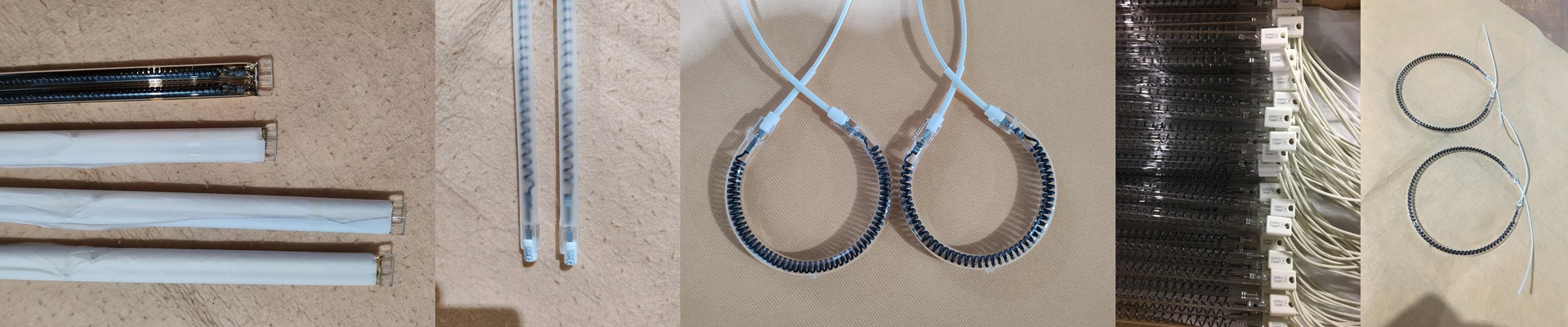
For these Adelco-style setups, we stick with short-wave infrared (SWIR). Here’s why: short-wave radiation digs deeper into the paint or coating. It doesn’t just sit on the surface. That’s the only way to make sure the core of your part is curing at the same speed as the outside, especially when the lamp is sitting a few inches away. To keep things from cracking under the pressure of rapid heating and cooling, we use high-density quartz glass. It’s tough.
Getting it plugged in
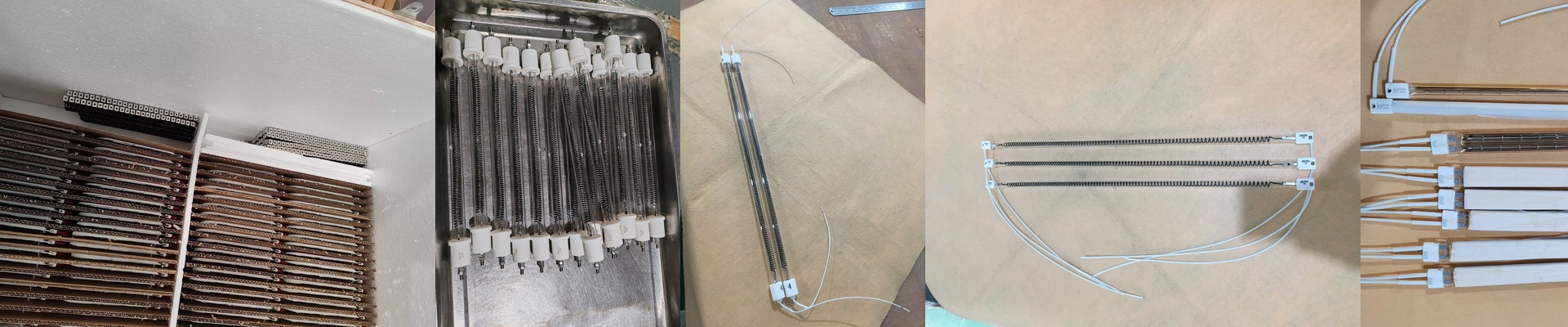
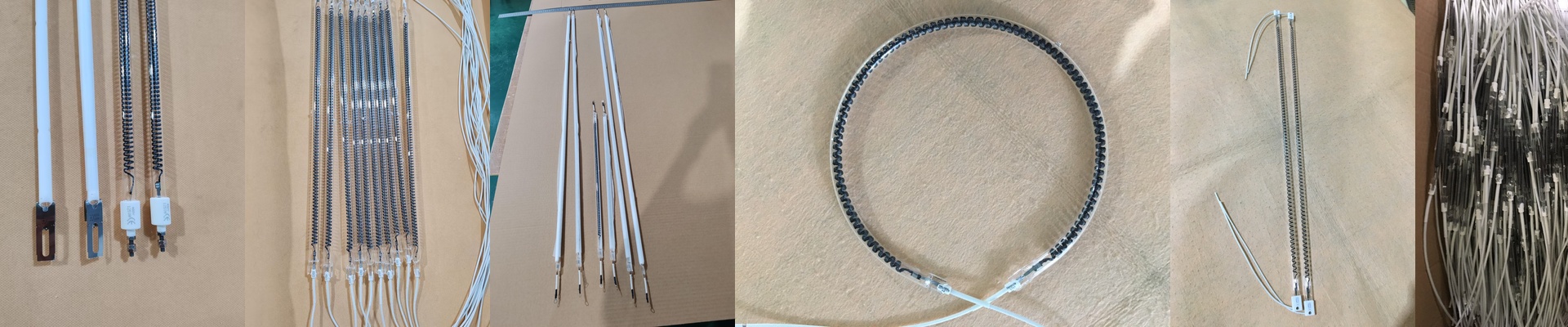
We make these lamps as drop-in replacements. That means the wattage and voltage match your existing Adelco power rails exactly. No one wants to deal with a blown transformer on a Tuesday morning. If you’re running 400V high-output tubes, you’ll get the heat you need to keep the line moving fast. But a word of caution: keep an eye on your cooling fans. If the oven housing gets too hot, your lamps are going to die way sooner than they should. As for the wiring? It’s simple. We use standard industrial connectors. No weird adapters or custom hacks. You just slide them into the sockets, lock them down, and you’re done.
The real-world trade-offs
Now, high wattage is great for throughput, but it’s brutal on the filaments. To stop them from burning out, we use a halogen cycle. It basically pushes the tungsten back onto the filament as it evaporates. It helps a lot, but it’s not magic. These lamps need steady power. If your plant’s electricity is jumping all over the place, your cure quality will be too. My advice? Grab a stabilized power supply. It keeps the output flat and your parts consistent.