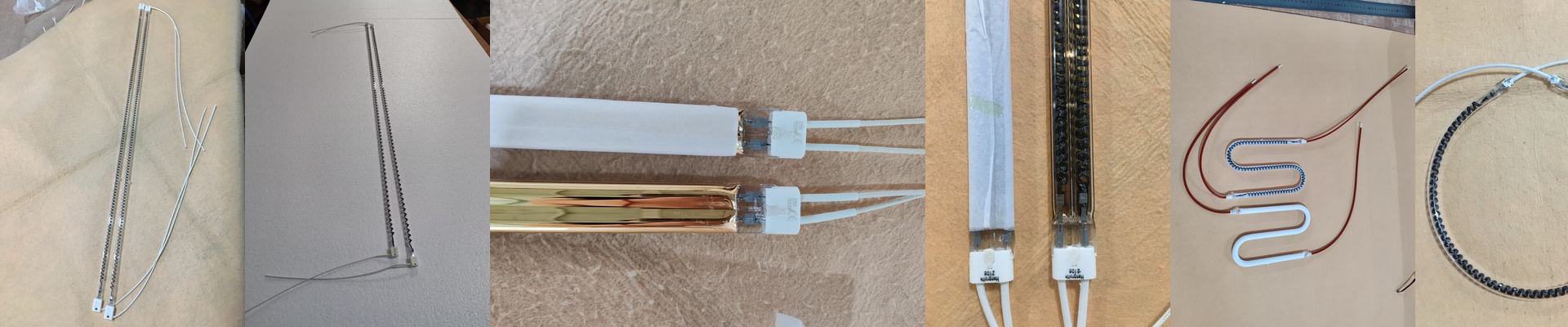
Getting the Heat Right: A Look at ROQ Flash Dryer Lamps
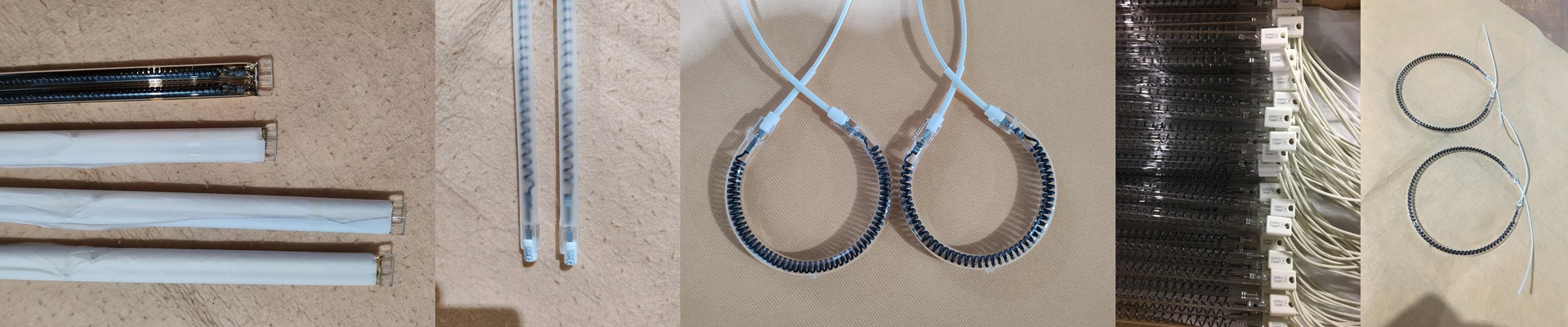
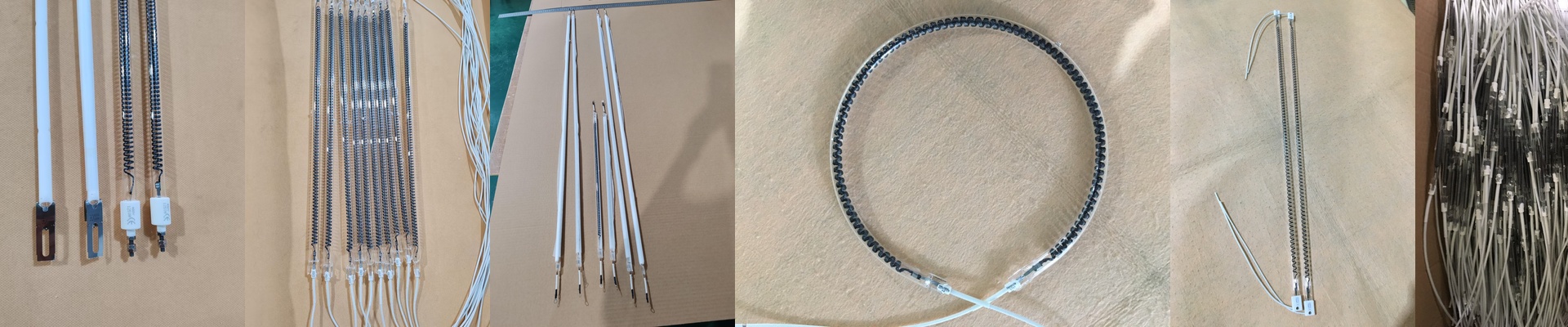
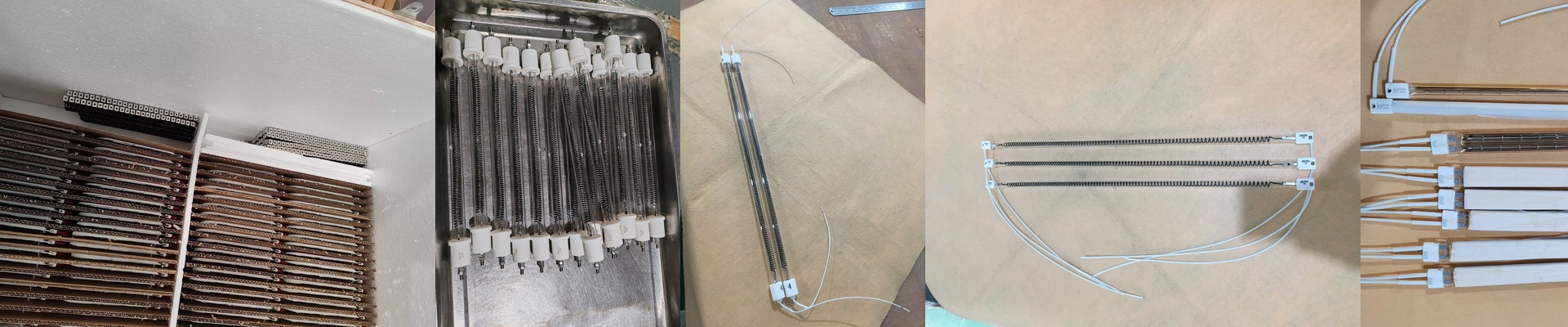
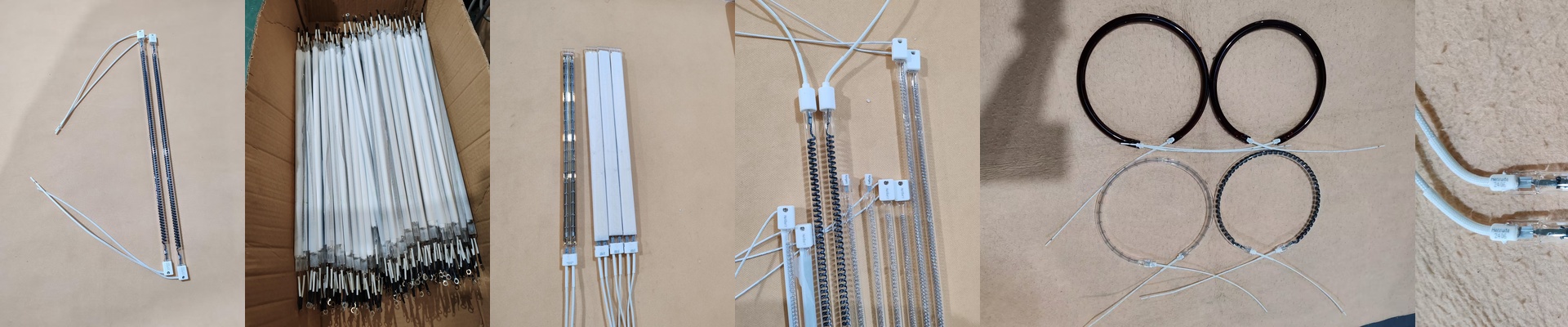
ROQ flash dryers live and die by their infrared heat. If the ink doesn’t set instantly, everything stops. Most of the lamps we use are built right here in our own shop. Why? Because the margins for error are tiny. We’re talking millimeters. If a tube is just a hair too long or the wattage is slightly off, it won’t fit the wiring, or worse, you’ll get cold spots in your heat distribution. Neither is a good look when you’ve got a deadline. The Power Side of Things We build these lamps to play nice with ROQ’s power controllers. We’re using high-wattage shortwave lamps that pack a massive amount of heat into a small space. It’s the only way to hit those curing temperatures in a matter of seconds. But here’s the thing: that much heat needs air. Keep an eye on your cooling fans. If your airflow dips, the housing overheats and your tubes will burn out way faster than they should. Quartz and Connections Inside, the filaments are wrapped in high-purity quartz. We apply specific coatings to make sure the heat actually hits the ink, rather than just soaking into the fabric. As for the ends, we stick with standard industrial connectors like R7s or SK15. We do this on purpose. When a tube pops mid-shift, you want a quick drop-in replacement. The last thing you need is some weird, proprietary fit that keeps your machine down for hours. Why OEM Matters Building as an OEM means we follow the actual wiring diagram of the machine, not some generic catalog. We spend a lot of time balancing the filament resistance. If you throw in a mismatched lamp, you risk tripping your breakers or frying your contactors the moment you flip the switch. It really comes down to the raw physics—the right ohms, the right length, and the right spectral output. When that’s dialed in, the production line just keeps moving. No fuss, no constant lamp swaps, just work getting done.