Stop Overpaying for Your Adast IR Lamps
Let’s be honest: most print shop owners are terrified of buying non-OEM lamps. There’s this nagging fear that if it doesn’t have the Adast logo on the box, it’s going to burn out in a week or fry the machine. But here is the thing. These lamps aren’t magic. They’re just physics. We’re talking about quartz glass, tungsten filaments, and halogen gas. When you use the same high-grade materials and the same production process, the heat output is exactly the same. You’re just paying a “brand tax” for a name.
How the heat actually works
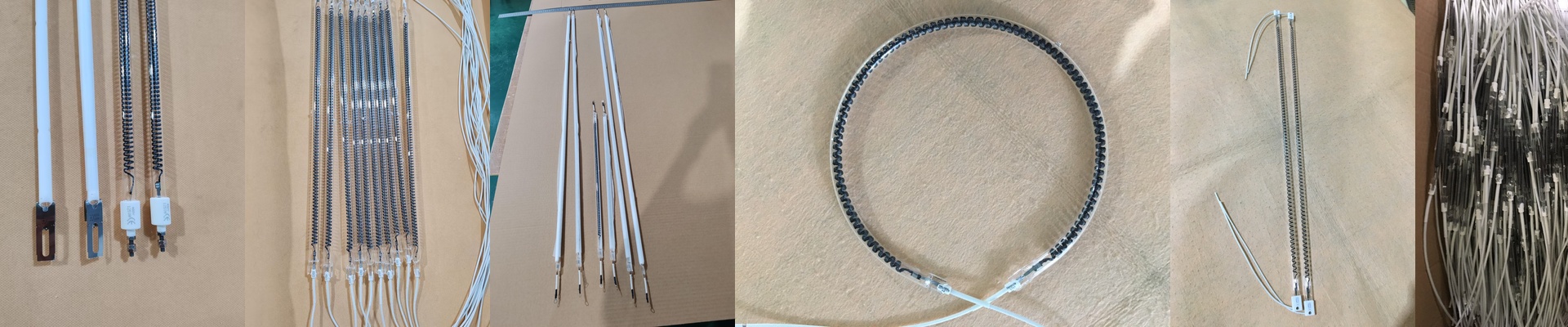
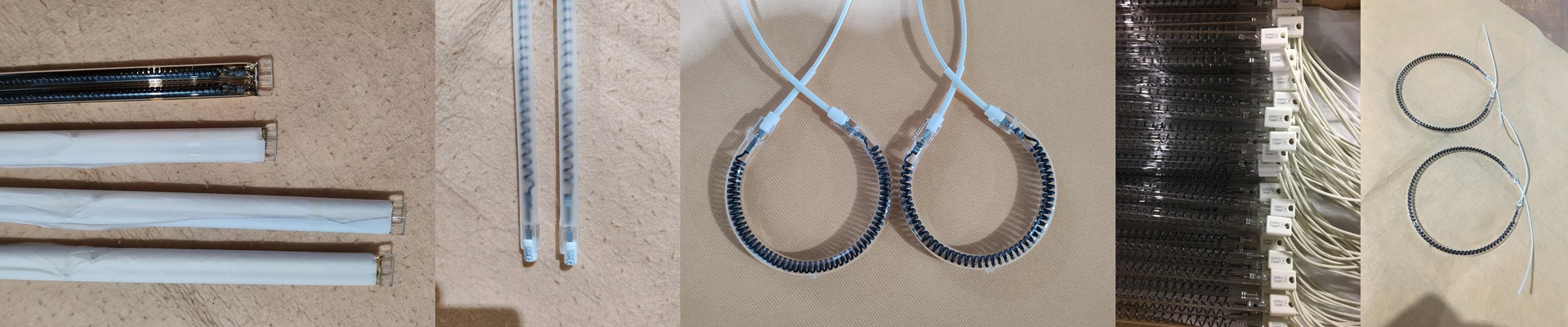
If you’re running high-speed PET or textiles, you need your ink to flash-dry now. Not in a few seconds—in milliseconds. That’s why we use high-purity quartz. It can take the shock of heating up and cooling down rapidly without cracking. We also rely on the halogen cycle, which basically pushes the tungsten back onto the filament instead of letting it cloud up the glass. The result? Your lamp stays clear and keeps pumping out heat for thousands of hours.
Getting the fit right
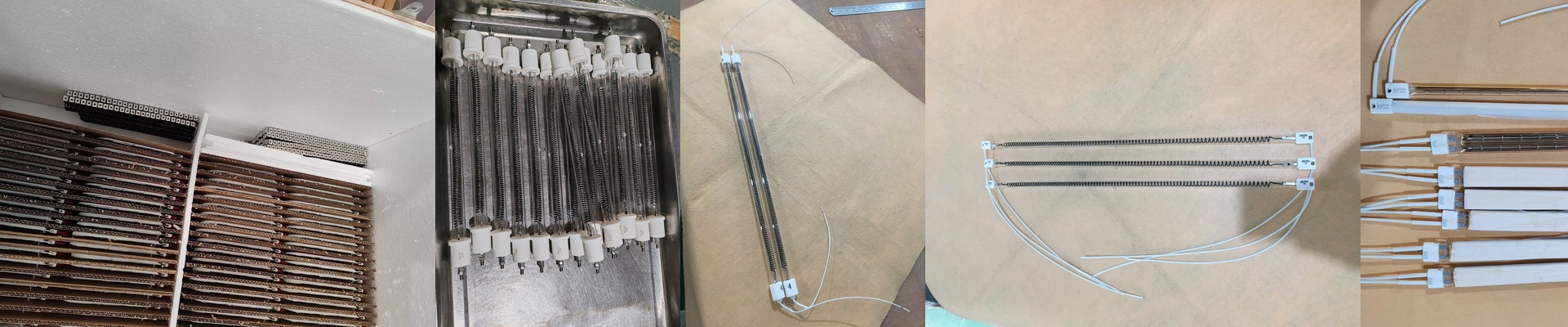
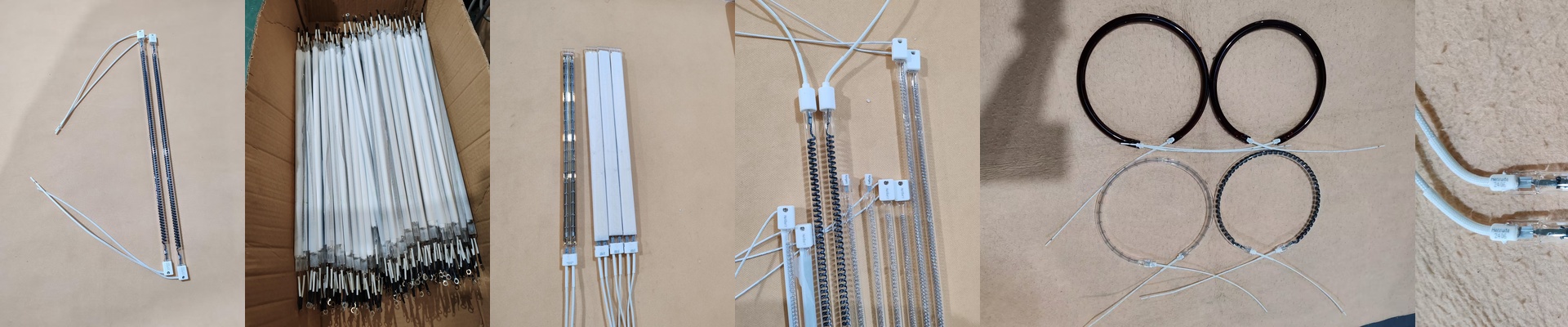
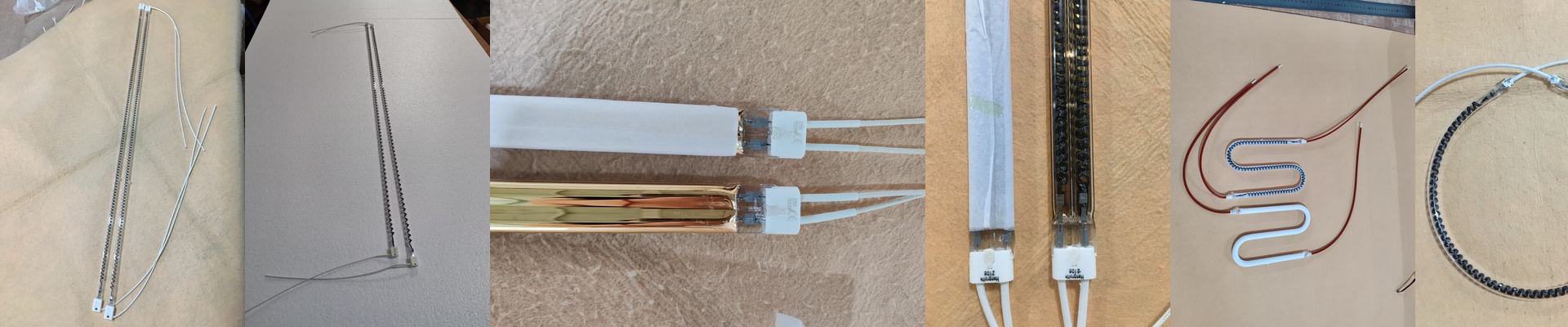
This is where people get nervous, but it’s actually pretty simple. It all comes down to the wattage, the voltage, and the physical size. We match the dimensions to the millimeter. Why? Because if a tube is even a tiny bit too short, you lose heat density. If it’s too long, it won’t even sit in the housing. We use the standard R7s snap-in connectors, so you can swap them out on the fly without a headache.
A quick word of caution
Now, a heads-up. High-density IR lamps put a lot of stress on your electrical system. Some folks try to push the wattage higher than the original specs to speed up their production. It works, but your wiring and cooling fans have to keep up with that extra heat. If you don’t vent the housing properly, you’re going to burn out your connectors. At the end of the day, you don’t need a fancy brand name to get the job done. You just need the right voltage, a perfect fit, and a filament that doesn’t snap when things get hot.