Let’s talk about what actually makes a laser printer work
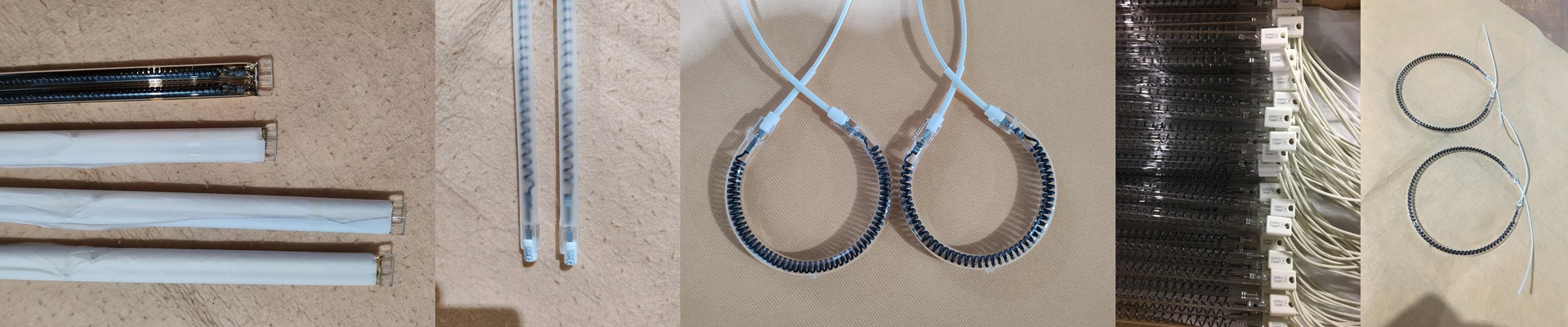
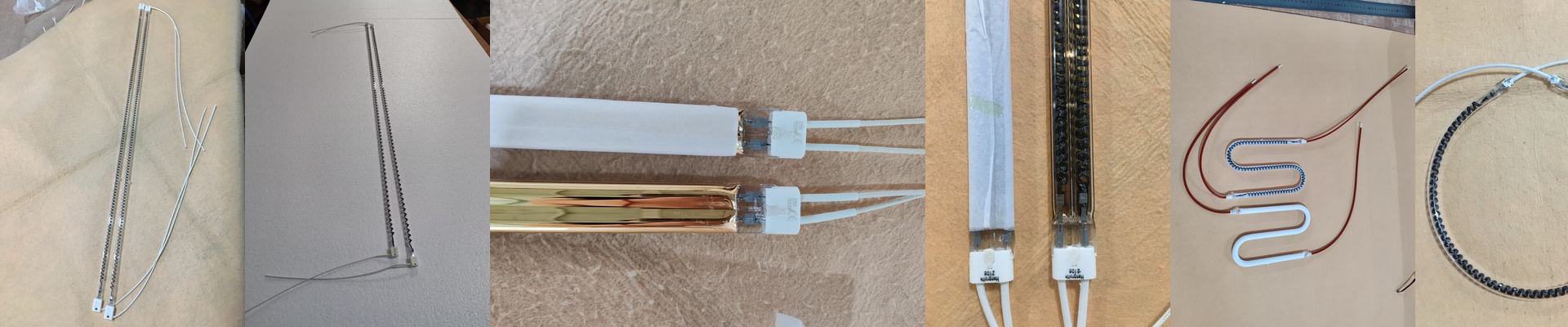
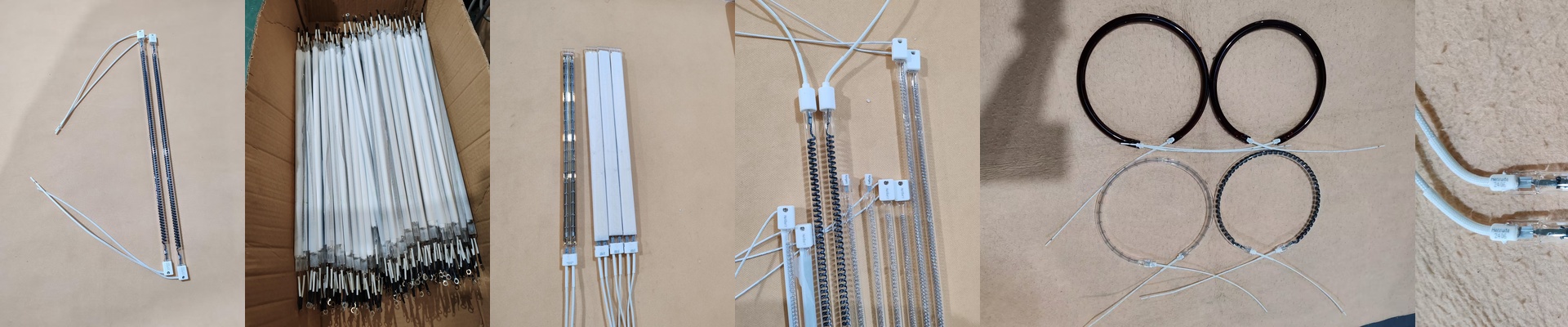
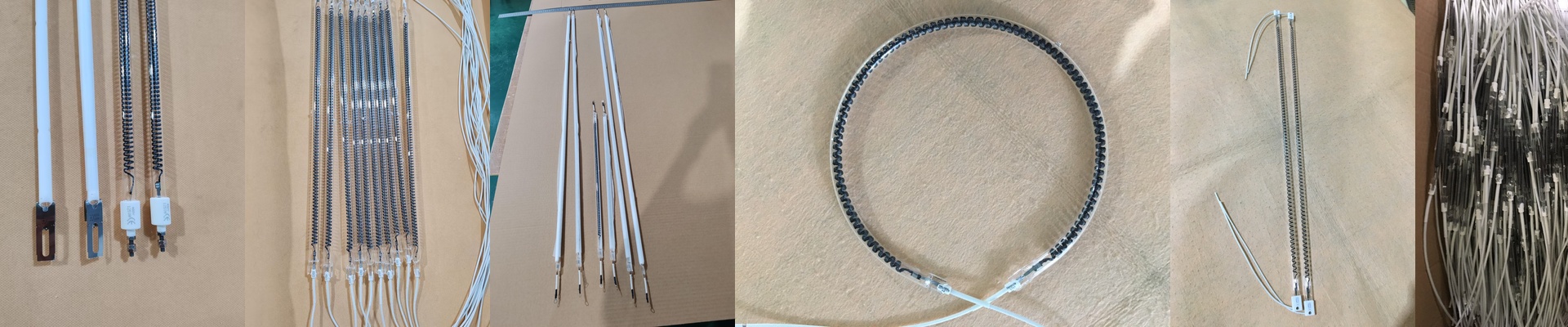
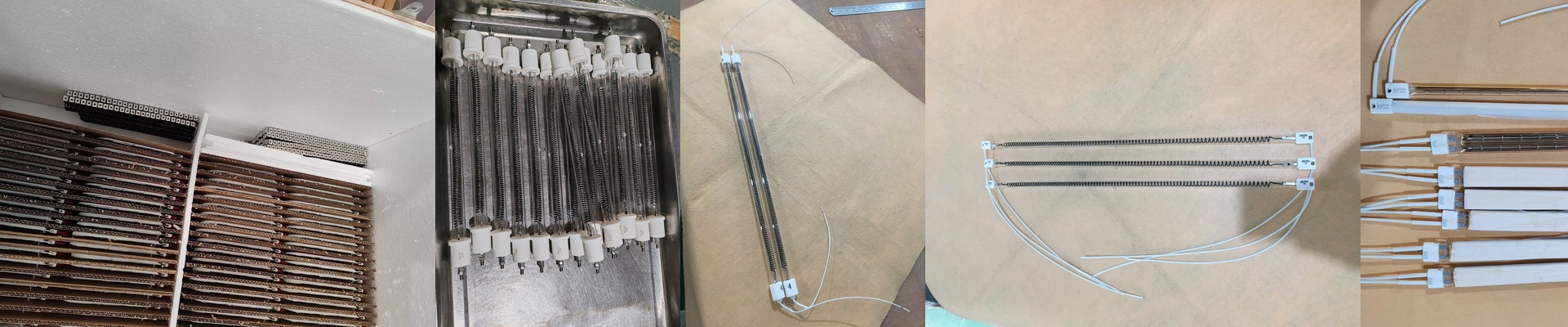
Ever wonder why your printer doesn’t just spit out a page of loose powder? It’s all thanks to the fuser lamp. It’s the heart of the machine, using a quick burst of heat to melt that toner right into the fibers of the paper. Most of the big-name printer brands don’t actually make these lamps themselves. They leave that to the specialists—the folks who know how to handle the finicky balance of quartz glass and tungsten filaments.
Getting the heat just right
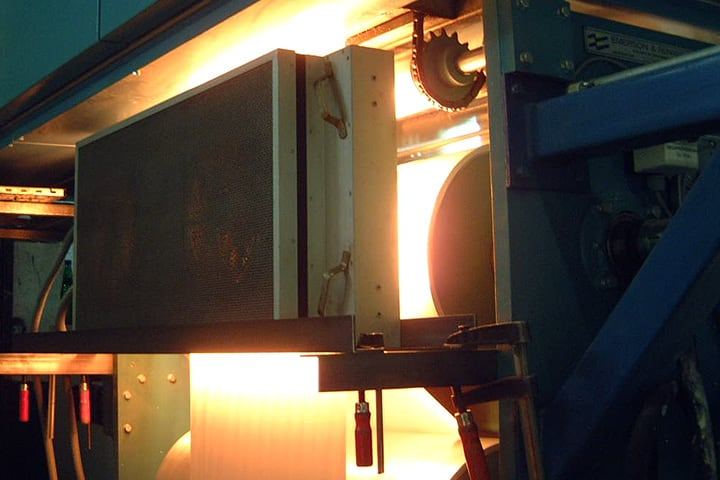
The tricky part is speed. A fuser lamp has to get screaming hot in a matter of seconds. We use high-wattage halogen tech to make that happen. The goal is to shoot short-wave infrared energy straight into the fuser roller. You don’t want to waste heat warming up the plastic shell of the printer; you want it hitting the paper. It’s a tightrope walk. If the wattage is too low, your text smears. Too high? You’ll end up scorching your documents.
The nitty-gritty on materials
We build our tubes from high-purity synthetic quartz. Why? Because these lamps are constantly clicking on and off, and cheap glass would just shatter from the thermal shock. Then there are the connectors—things like R7s or SK-series pins. They have to fit perfectly. If there’s even a tiny gap, you get arcing at the terminals, and that’s a recipe for disaster. We even add special coatings to the quartz. It helps the heat soak deep into the toner layer rather than just heating up the air around it.
The trade-offs
Here’s the thing: high-output lamps put a lot of stress on the printer’s power supply. When you crank up the pages-per-minute, the lamp runs hotter. That’s where your cooling fans and sensors come in. If the cooling system can’t keep up, the lamp suffers from “heat soak” and burns out way too early. We build these to meet strict OEM standards, so they’re basically drop-in replacements. As long as your voltage and wattage match your electrical board, it’ll feel and perform exactly like the one that came with the machine.