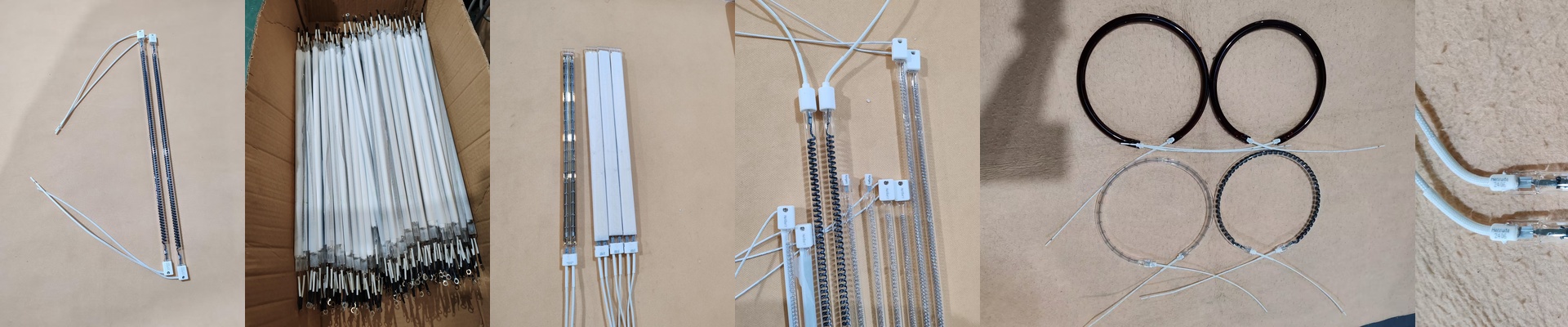
What’s actually going on inside ROQDRY heat sources?
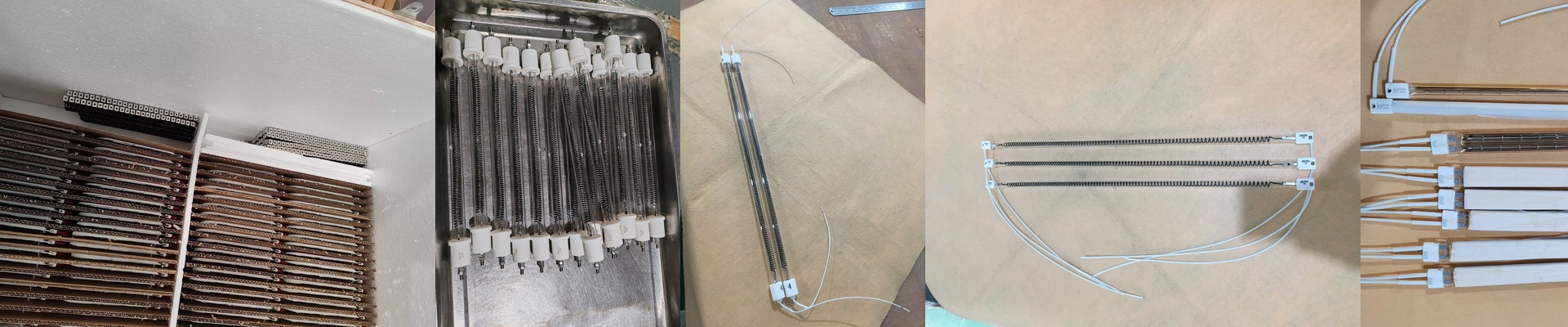
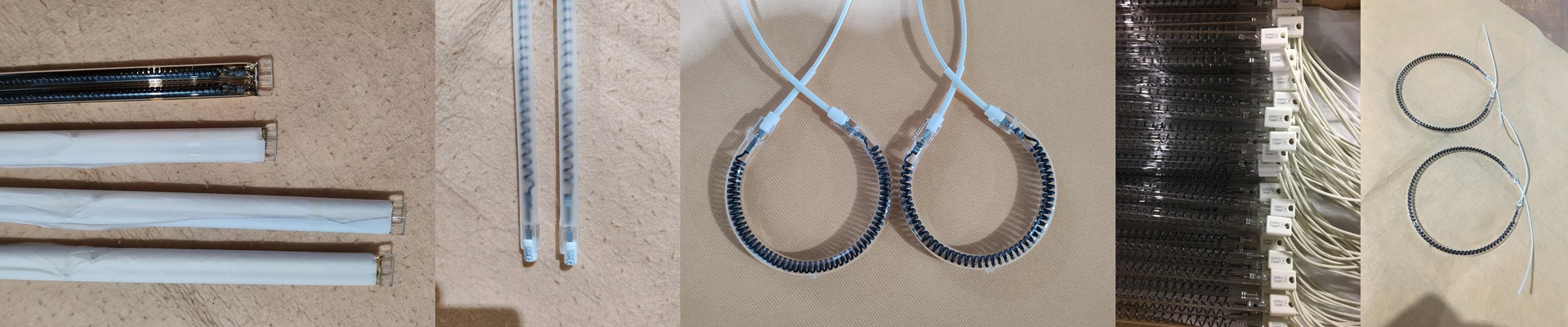
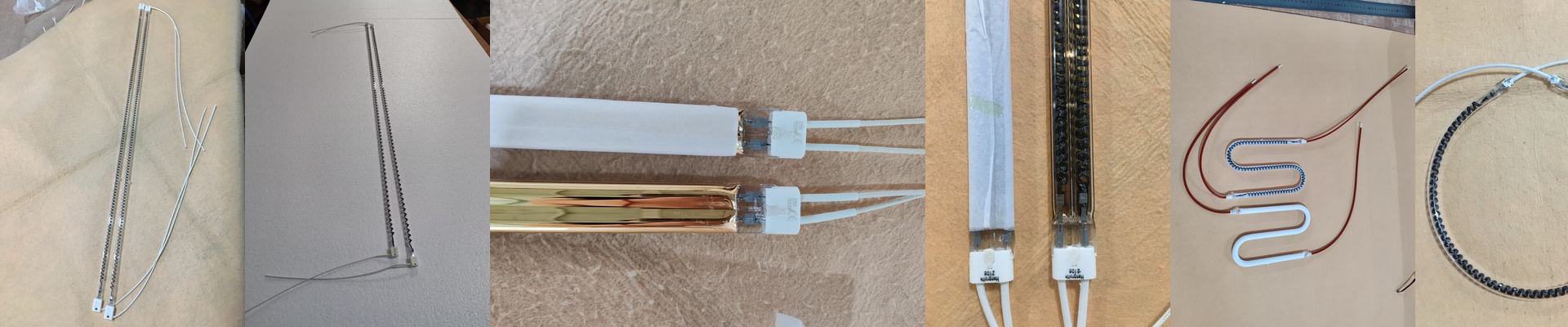
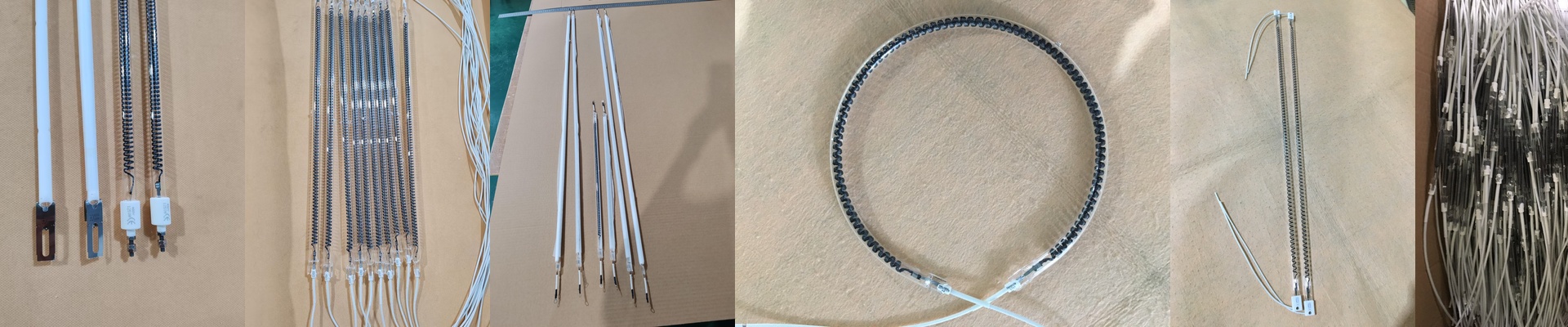
Here is a little industry secret: most of the big-name printing brands don’t actually make their own heating elements. They leave that to us. Why? Because getting infrared (IR) emission right is a nightmare of physics, quartz metallurgy, and very precise winding. When we build a lamp for a ROQDRY system, we aren’t just making a light bulb. We’re building a heat engine. The nitty-gritty on power We build these lamps to handle the kind of heavy-duty wattage industrial curing demands. By using high-voltage tubes, we can keep the heat footprint tight. That’s the magic trick—it lets you flash-dry your inks instantly without accidentally scorching your fabric. It all comes down to the tungsten filament. If the winding is off by even a tiny fraction, the lamp will either pop prematurely or just never get hot enough to do the job. We obsess over the ohms so you don’t have to. Materials that don’t quit We use high-purity fused quartz. It’s the only way to survive the “thermal shock” that happens every time the machine cycles on and off. And because we know how frustrating it is to fight with hardware during a production run, we made the connectors a perfect fit. They just slide right in. No wiggling, no loose pins, no swearing at the machine. You can swap them out during your downtime and get back to work. The honest truth about the trade-off Now, there is a catch. Pushing that much energy into such a small space creates an incredible amount of heat. If your ventilation is clogged or your cooling fans are acting up, that heat has nowhere to go. It soaks back into the reflectors and eats away at the quartz. You get the fastest cure speeds in the business, but you’ve got to keep the airflow clear. We build these things to take a beating, but you can’t argue with physics. Keep them cool, and they’ll keep working.