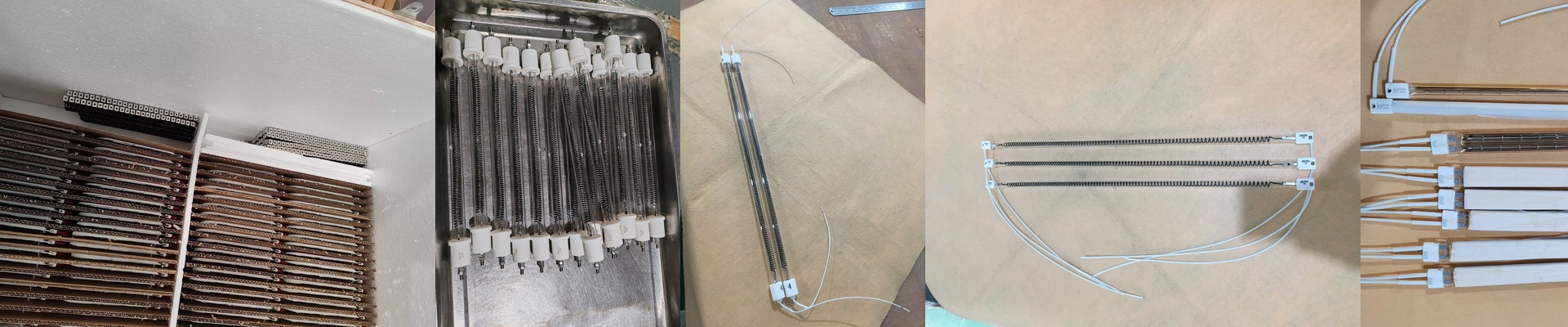
Getting the Most Out of Our 1000W Carbon Fiber Heating Lamps
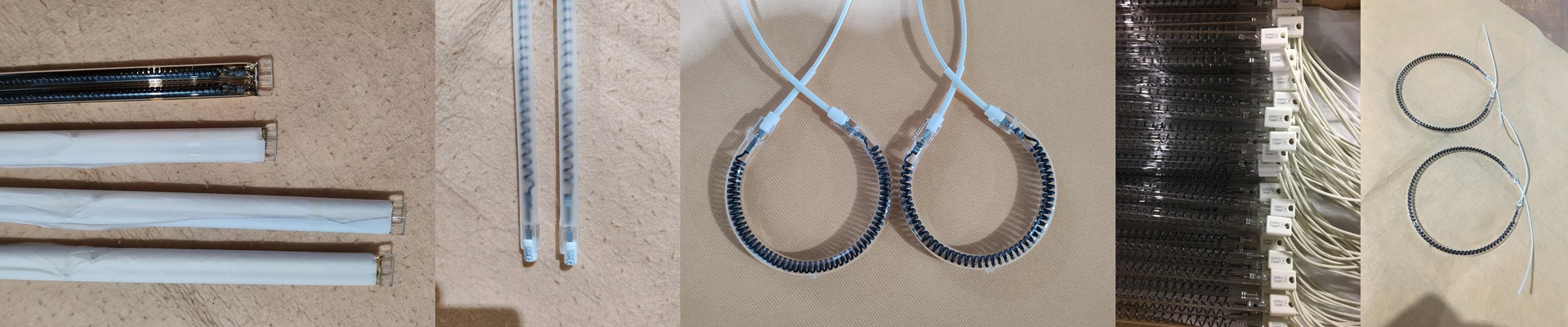
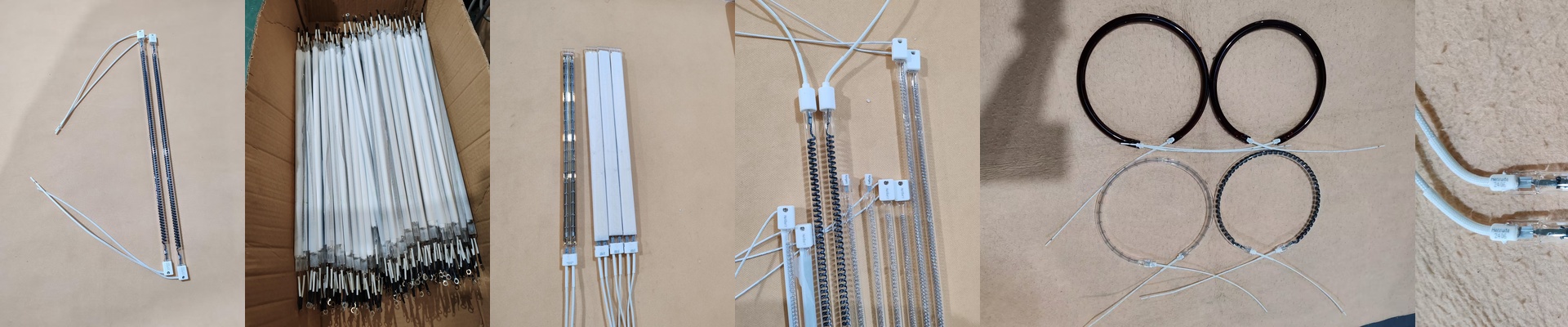
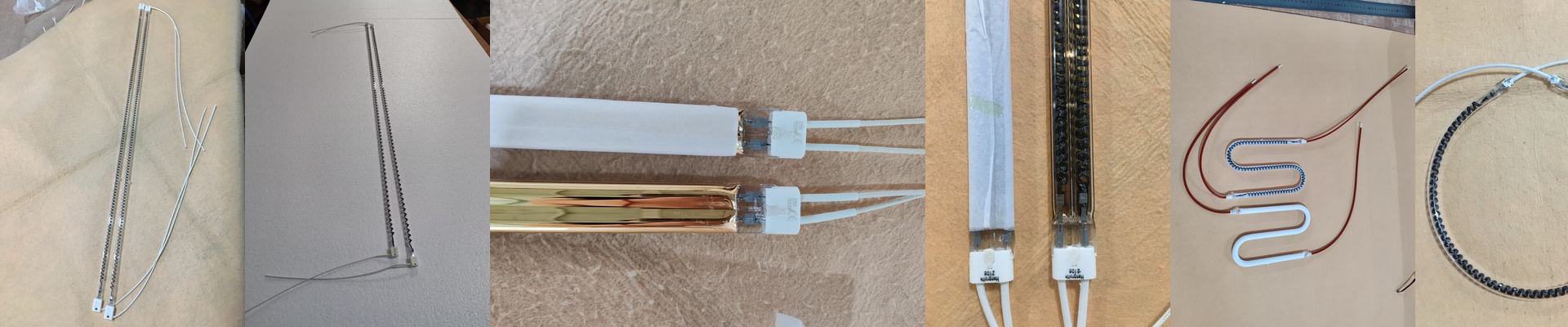
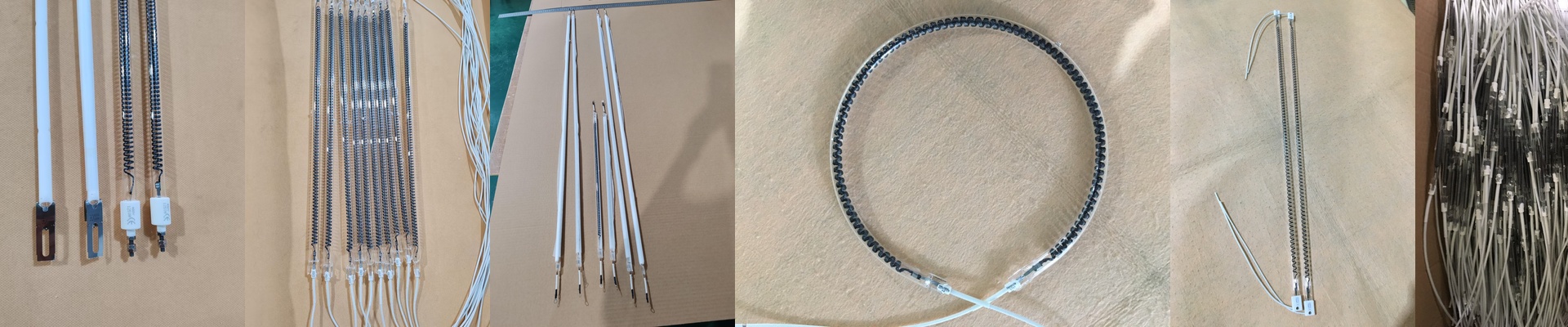
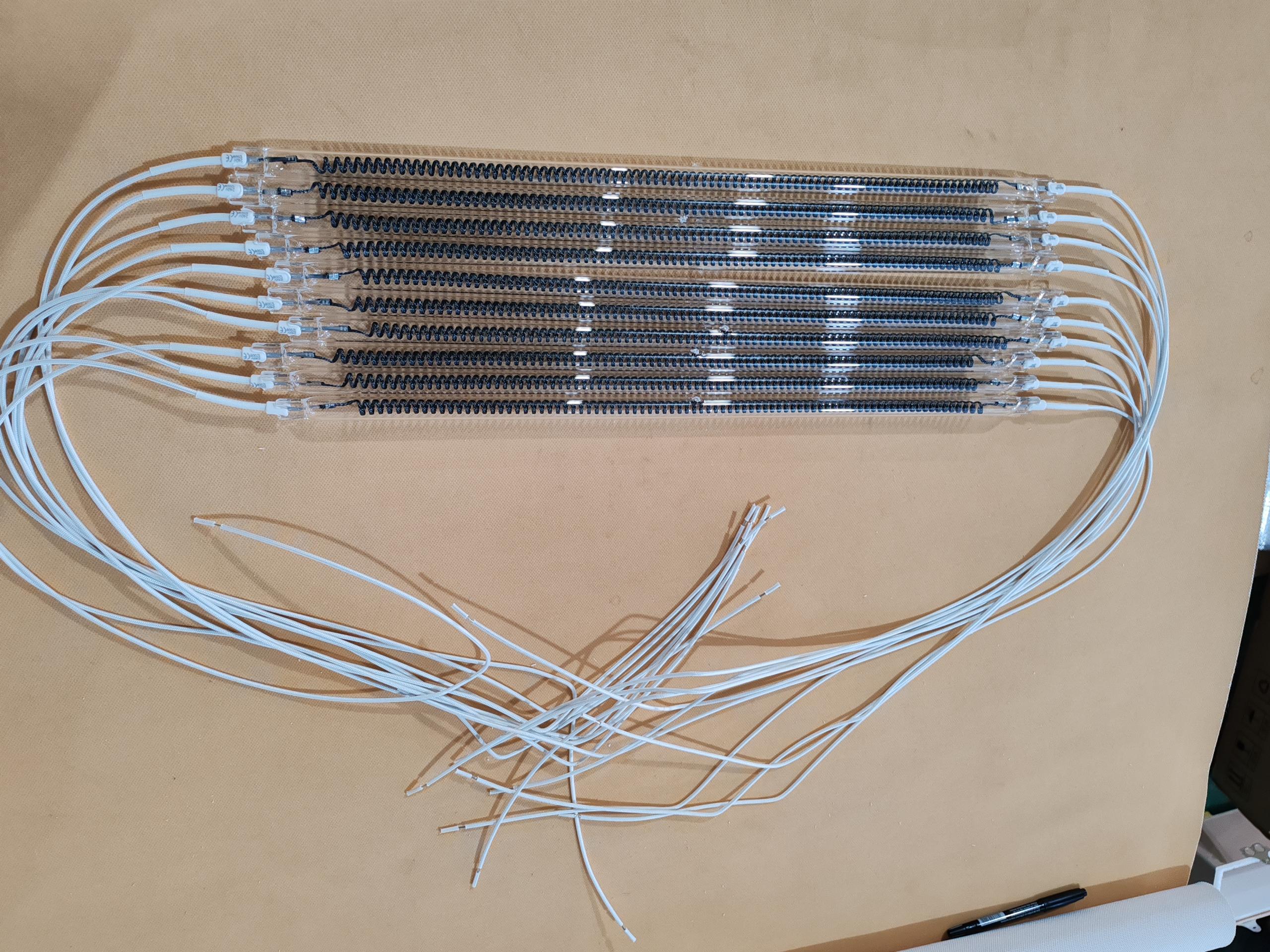
If you need heat—and you need it now—that’s exactly why we built this 1000W lamp. We wanted something that hits hard and fast. Instead of sticking with those old-school metal alloy filaments, we went with carbon fiber tucked inside a high-purity quartz tube.
Why carbon fiber?
Here is the thing: carbon fiber can handle way more current than tungsten. When you crank this thing up to 1000W, it puts out a concentrated blast of short-wave infrared. The best part? It doesn’t waste time heating up the air around it. The heat goes straight into your material. It’s an almost instant ramp-up. We also kept the quartz glass clear. No coatings, no fancy tints. We did that on purpose so the infrared energy can fly right through the glass and hit your workpiece, rather than bouncing back and heating up the lamp housing.
Setting it up (Don’t skip this part)
You’ll want a rock-solid power supply. If your power fluctuates, you’re just asking for a premature burnout. While 1000W tells you how much heat you’re getting, the actual size of the lamp depends on the length and diameter of the tube. We use standard industrial connectors, so you can usually just pop these into your existing setup without a headache. One big warning: get your voltage right. If the voltage is too low, you lose that specific infrared wavelength that makes the lamp work. But if you push too much voltage? Snap. There goes your carbon filament.
The reality of using high-density heat
This much power is a bit of a double-edged sword. Since the heat is so intense, you can accidentally scorch your surface if the lamp is sitting too close to the target. You’ll need to play around with your conveyor speed or how long the piece stays under the lamp to get it just right. I also highly recommend using a PID controller. Flipping these on and off manually can cause “thermal shock,” which eventually cracks the quartz. And please, keep them clean. A little bit of dust on the glass might not seem like a big deal, but it creates hot spots. Those hot spots are what kill the lamp’s lifespan. Keep the glass sparkling, and it’ll last much longer.