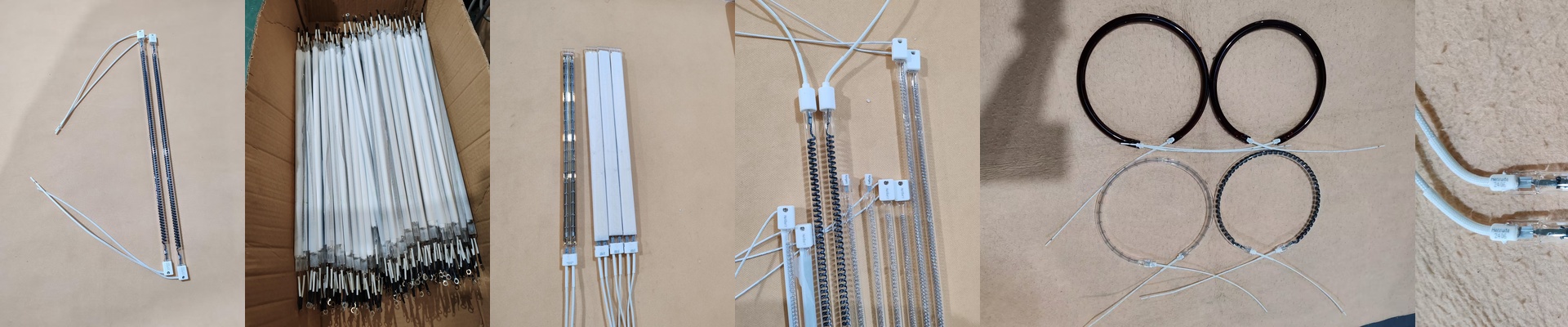
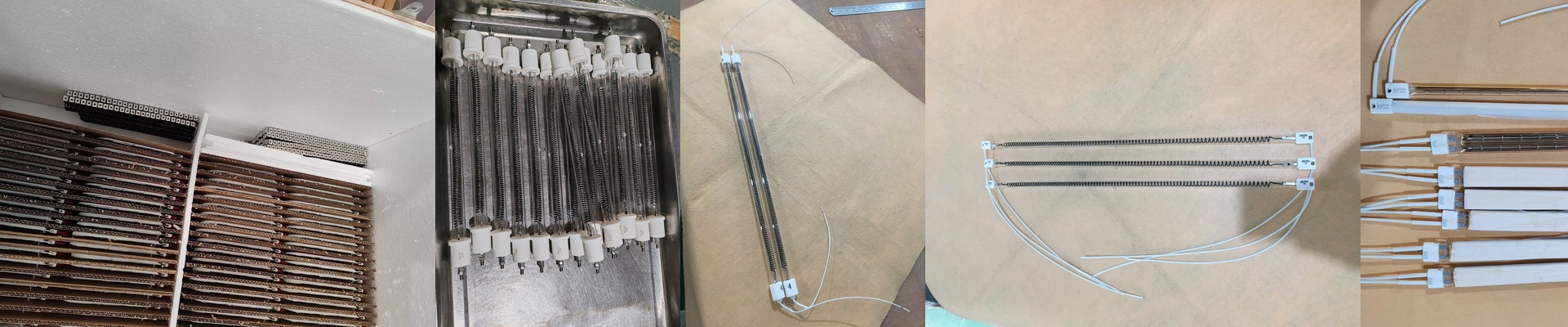
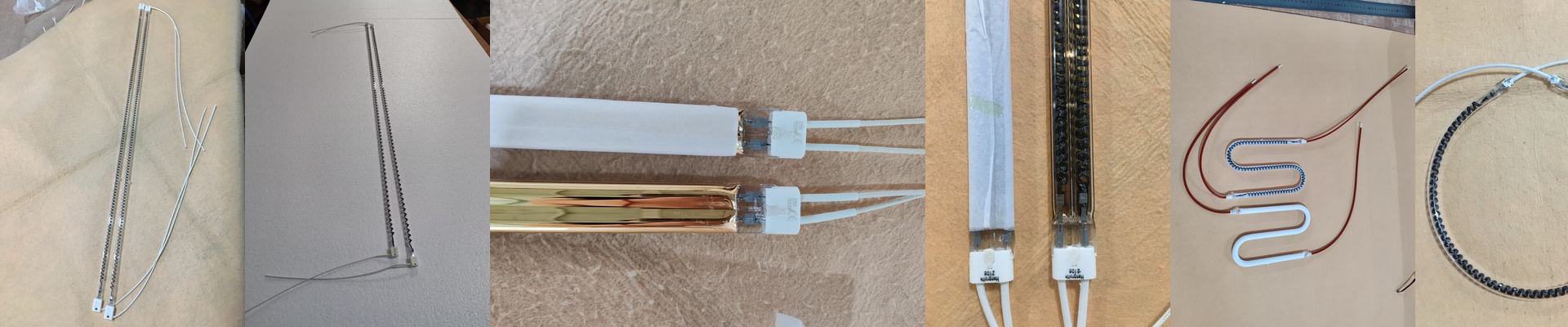
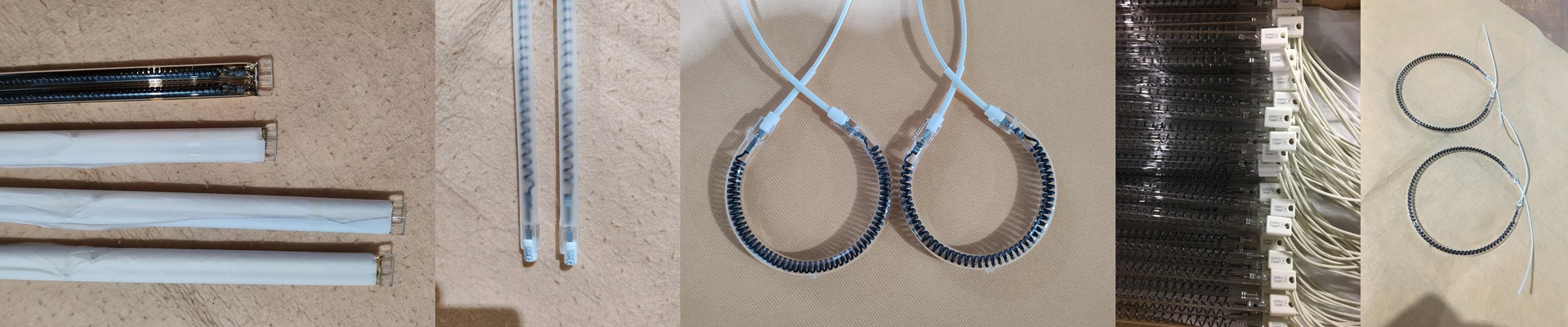
Getting a Handle on Carbon Fiber Filament Heaters
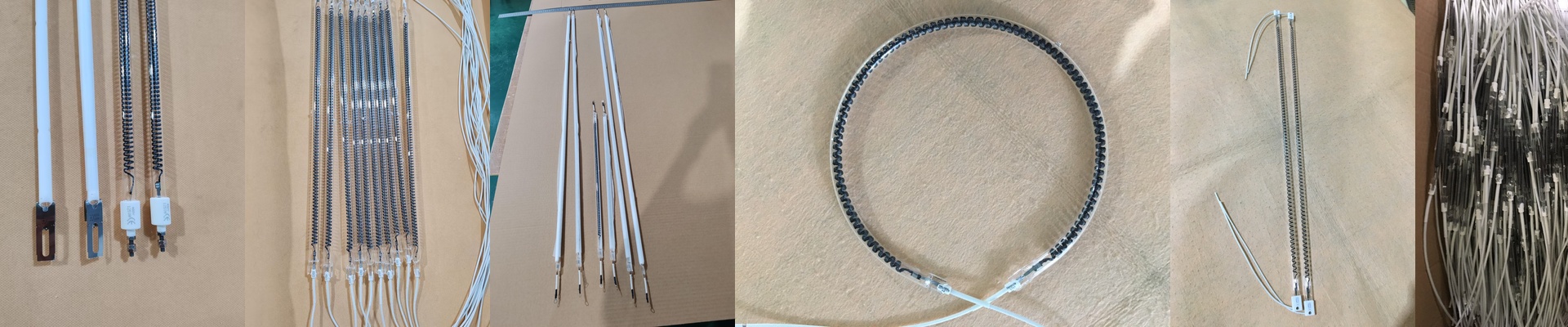
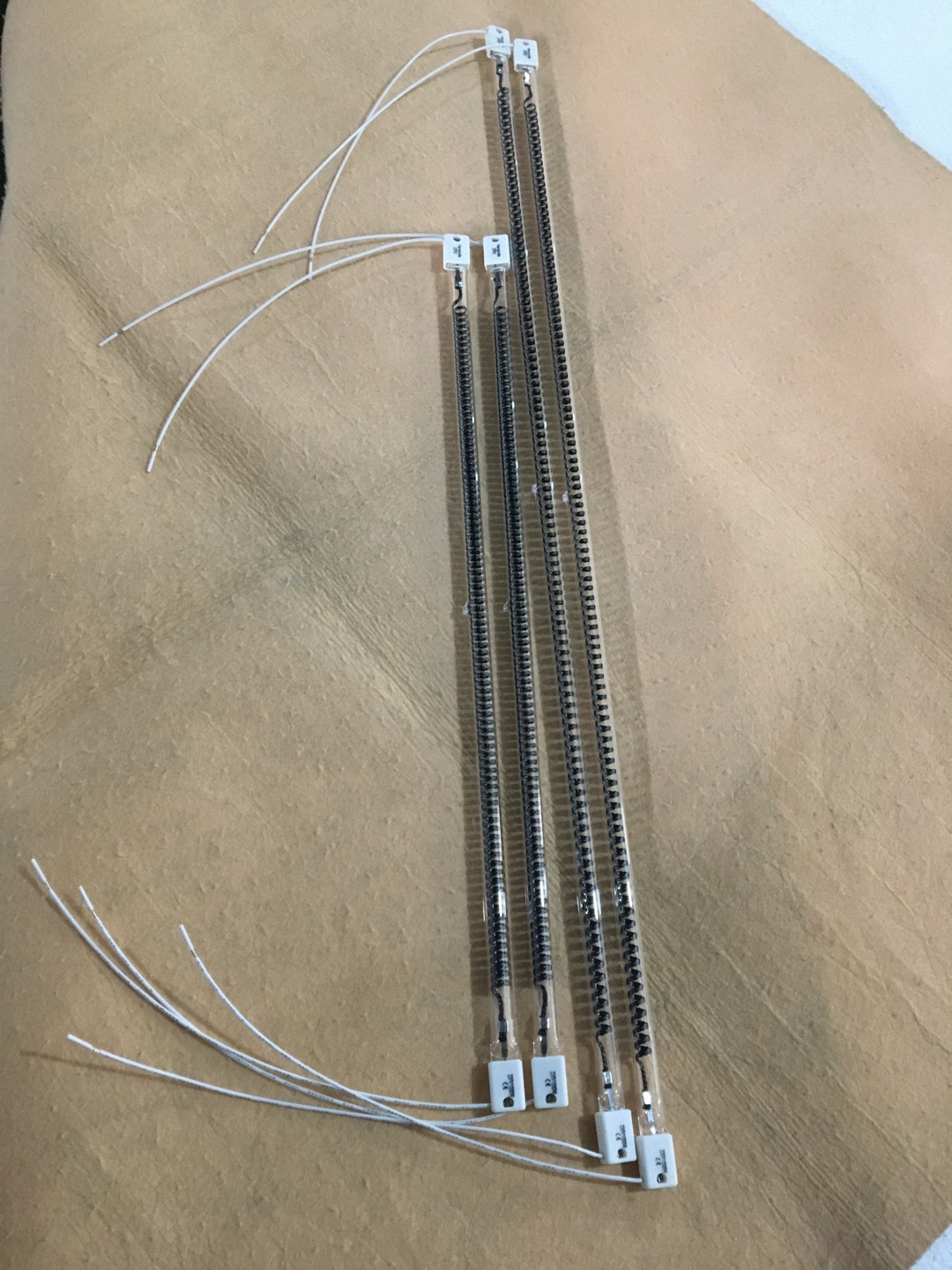
If you’re used to standard tungsten or halogen lamps, carbon fiber filaments are a completely different beast. Instead of relying on a thin metal wire, we use a carbon-fiber composite core. It’s a simple swap on paper, but it lets the element handle way more current and throw out a much wider spectrum of infrared heat. The heat side of things Here is the cool part: these carbon cores can take a beating. They handle extreme thermal stress without just evaporating like metal does. When you wire these into your setup, you’ll notice the resistance doesn’t just spike the moment things get hot. It stays steady. That means you get a consistent, reliable heat output across the entire tube, rather than weird hot and cold spots. Just a heads-up on the power. If you’re running high-wattage setups, they hit hard. Make sure your power supply can handle that initial “cold-start” surge, or you’ll be tripping breakers all morning. Build and durability We wrap the filament in high-purity quartz glass. Without it, the fiber would oxidize and burn out in seconds. The quartz is basically a window—it lets the short-wave and medium-wave IR pass right through without soaking up the heat. One big win here? Carbon doesn’t “sag.” Metal coils tend to droop when they get screaming hot, which messes up where the heat is actually hitting. Carbon stays put. But, keep in mind that quartz is brittle. It hates vibration. If your machine shakes or takes a bit of a pounding, use dampened mounts. Otherwise, you’re looking at a cracked tube. Putting them to work You’ll mostly see these in PET blowing, paint curing, or drying tunnels. They’re incredibly fast. You can hit your target temperature in seconds, which beats ceramic heaters by a mile. The only real catch is the glass. It’s fragile. If your shop is dusty, put a shield over them. Dust buildup on the quartz creates hotspots, and that’s usually how these tubes fail prematurely. Keep them clean, and they’ll last.